

Introduction
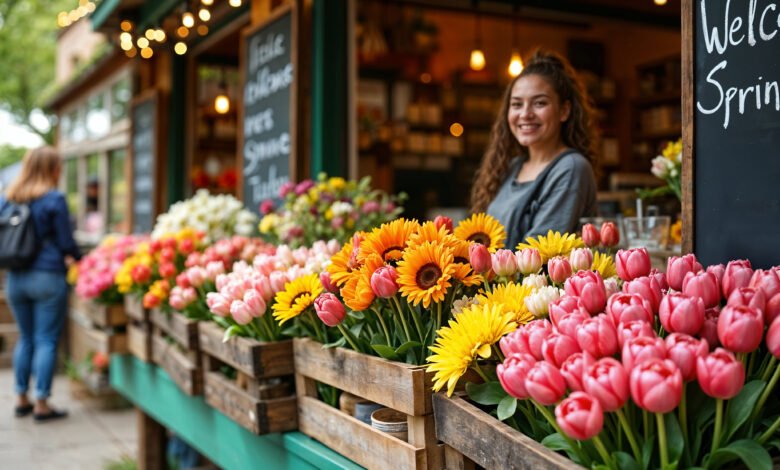
Spring is a season of fresh beginnings, colorful surroundings, and exciting shopping opportunities. As the weather becomes warmer, people often look for seasonal decorations, gardening supplies, handmade gifts, fashionable clothing, and locally produced goods. A spring marketplace brings many of these products together in one convenient place, allowing customers to discover new items while supporting independent sellers and small businesses.
Whether organized online or as a physical event, seasonal marketplaces create opportunities for shoppers and entrepreneurs to connect. They offer a welcoming environment where creativity, community engagement, and business growth can come together.
What Is a Spring Marketplace?
A spring marketplace is a shopping platform or event that features products and services suited to the spring season. It may include local craft fairs, outdoor vendor events, community markets, or online stores offering seasonal collections.
These marketplaces typically feature handmade accessories, home decorations, gardening products, clothing, artwork, and specialty foods. Some also include live entertainment, workshops, family activities, and demonstrations by local creators.
The main purpose of a spring marketplace is to make seasonal shopping enjoyable while giving sellers a platform to introduce their products to potential customers. Visitors can explore different collections, compare options, and discover items that may not be available in conventional retail stores.
Benefits for Small Businesses
Seasonal marketplaces can be valuable for small businesses that want to reach new audiences. Independent sellers often have limited advertising budgets, making community events and online selling platforms useful ways to promote their products.
By participating in a spring marketplace, business owners can introduce their brands, explain their products, and communicate directly with interested shoppers. These interactions help sellers understand customer preferences and identify opportunities to improve their offerings.
Local events can also create networking opportunities. Vendors may connect with other entrepreneurs, suppliers, event organizers, and potential business partners. These relationships can support future collaborations and encourage continued business development.
For online sellers, seasonal collections and targeted promotions can attract customers who are actively searching for spring-related products.
Popular Products to Explore
Spring shopping often reflects changing weather, outdoor activities, and seasonal celebrations. Several product categories are particularly suitable for this time of year.
1. Gardening supplies: Seeds, planters, gardening tools, flower pots, and decorative accessories attract people preparing their gardens and outdoor spaces.
2. Handmade crafts: Jewelry, candles, pottery, artwork, and personalized gifts appeal to shoppers seeking distinctive products.
3. Fashion and accessories: Lightweight clothing, scarves, handbags, sunglasses, and seasonal accessories help customers refresh their wardrobes.
4. Home decorations: Floral arrangements, table decorations, cushions, wall art, and decorative lighting can bring a fresh atmosphere to living spaces.
5. Specialty foods: Depending on local regulations, vendors may offer baked goods, preserves, snacks, and other locally produced food items.
A well-organized spring marketplace gives customers the chance to explore these categories and discover products that suit their interests and budgets.
Tips for Finding Quality Products
Finding the right products requires a little planning. Before visiting a seasonal market or browsing an online platform, shoppers should identify what they need and establish a reasonable budget.
At physical events, customers can examine product materials, compare prices, and ask sellers questions. For online purchases, it is helpful to review product descriptions, shipping information, return policies, and customer feedback.
Shoppers should also consider the quality and usefulness of each item rather than making decisions based only on attractive packaging or temporary discounts.
When visiting a spring marketplace, taking time to compare similar products can help customers make informed purchasing decisions. Supporting reliable sellers also encourages better service and helps build trust within the shopping community.
How Sellers Can Prepare for Spring
Businesses planning to participate in a seasonal market should begin preparing before the event starts. Choosing suitable products, organizing inventory, and creating attractive displays can make a meaningful difference.
Sellers should research their target audience and focus on products that match seasonal interests. Clear pricing, informative product labels, and professional packaging can improve the customer experience.
Promotion is equally important. Businesses can use social media posts, email newsletters, local community groups, and website updates to announce their participation. Sharing product photographs and event details helps potential customers plan their visits.
For online vendors, optimizing product titles and descriptions with relevant search terms can improve discoverability. Consistent branding and prompt customer communication can also encourage repeat purchases.
A successful spring marketplace experience depends on more than selling products. Friendly service, thoughtful presentation, and dependable quality help create lasting customer relationships.
The Role of Online Marketplaces
Digital shopping platforms have expanded access to seasonal products. Customers can browse collections, compare prices, and place orders without traveling to a physical location.
Online marketplaces also allow smaller sellers to reach audiences beyond their immediate communities. However, shoppers should check seller information, payment security, delivery estimates, and refund policies before completing a purchase.
Combining online promotion with physical events can help businesses serve different customer preferences. Some shoppers enjoy meeting makers in person, while others value the convenience of browsing products from home.
As consumer habits continue to evolve, a spring marketplace can benefit from using both traditional and digital approaches to connect buyers with sellers.
Conclusion
Spring creates opportunities for refreshing homes, discovering creative products, and supporting local entrepreneurs. Seasonal marketplaces bring these experiences together by offering diverse products and encouraging connections between businesses and customers.
Whether shopping for gardening essentials, handmade gifts, fashionable accessories, or home decorations, visitors can benefit from exploring available options carefully. For sellers, preparation, quality products, effective promotion, and excellent customer service can help build a stronger presence.
A thoughtfully organized spring marketplace can make seasonal shopping more convenient, enjoyable, and rewarding for everyone involved.