

Introduction
Choosing the right bicycle can make a significant difference in your riding experience. Whether you enjoy fast rides on smooth roads, long weekend adventures, or exploring unfamiliar trails, the type of bike you choose affects comfort, performance, and versatility. One common question among cyclists is road bike vs gravel bike, especially when deciding which option offers the best value for everyday riding.
Although these bicycles share several features, they are designed for different conditions. Road bikes prioritize speed and efficiency on paved surfaces, while gravel bikes offer greater flexibility across a wider range of terrain. Understanding their differences can help you invest in a bicycle that matches your goals, budget, and preferred riding environment.
What Is a Road Bike?
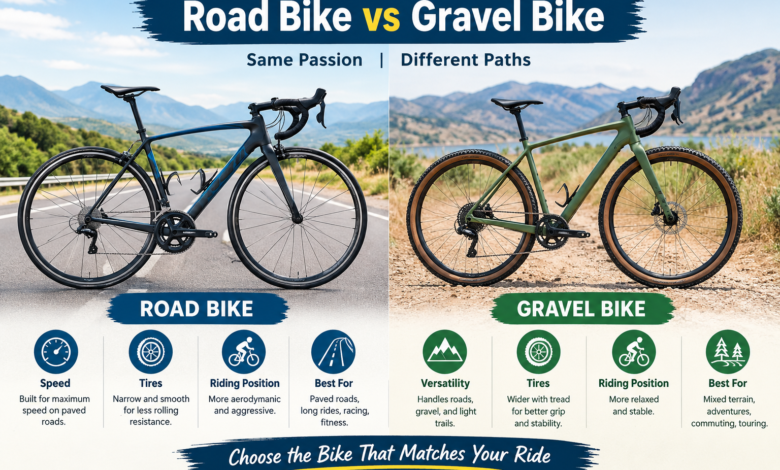
A road bike is designed primarily for paved roads, smooth cycling paths, and fast group rides. It usually features lightweight construction, narrow tires, and a geometry that supports efficient pedaling.
Many road bikes have drop handlebars, allowing riders to change hand positions and adopt a more aerodynamic posture. These features help reduce resistance and make it easier to maintain higher speeds on suitable surfaces.
Road bikes are popular among fitness enthusiasts, commuters, endurance cyclists, and competitive riders. However, models differ considerably. Racing bikes emphasize speed, while endurance road bikes generally provide a more relaxed riding position and additional comfort for longer distances.
What Is a Gravel Bike?
A gravel bike is built for riders who want to travel across paved roads, gravel paths, dirt tracks, and some light trails. It combines characteristics of road cycling with features that improve stability and versatility on uneven surfaces.
Compared with many road bikes, gravel bikes typically have wider tires, increased tire clearance, and geometry designed to provide greater control on loose terrain. Some models also include mounting points for racks, bags, and extra equipment.
When comparing road bike vs gravel bike options, versatility is one of the biggest differences. Gravel bikes can handle mixed-surface routes without requiring riders to limit themselves to perfectly paved roads.
Nevertheless, a gravel bike is not automatically suitable for every mountain trail. Extremely technical terrain may require a mountain bike with suspension and geometry specifically designed for demanding off-road conditions.
Speed and Performance
Road bikes generally have the advantage when speed on smooth pavement is the main priority. Their narrower tires, lighter designs in many models, and aerodynamic riding positions can help riders maintain efficient speeds.
Gravel bikes often sacrifice some pavement efficiency in exchange for stability and traction. Wider tires and a more upright position can increase aerodynamic drag or rolling resistance, depending on the setup.
In a road bike vs gravel bike comparison, the actual speed difference depends on tire selection, frame design, rider fitness, wind conditions, and road surface. A well-equipped gravel bike can perform efficiently on pavement, while a road bike may be faster during dedicated road rides.
Comfort and Riding Position
Comfort matters during daily commutes and long cycling sessions. Road bikes designed for racing may position riders lower over the handlebars, which can improve aerodynamics but feel demanding for beginners.
Gravel bikes often offer a more stable riding position and additional space for wider tires. Lower tire pressures, when appropriate for the tire and rider, can help absorb vibrations from rough surfaces.
For cyclists considering road bike vs gravel bike comfort, personal fit is essential. Saddle height, handlebar reach, frame size, and riding posture can influence comfort more than the bicycle category alone.
An endurance road bike may be comfortable for long paved rides, while a gravel bike can be more forgiving on mixed surfaces.
Tires and Terrain
Tires play an important role in determining where a bicycle performs best.
Road bikes commonly use relatively narrow, smooth tires that reduce resistance on paved surfaces. Gravel bikes generally accommodate wider tires with tread patterns suited to loose or uneven ground.
The right choice depends on where you ride most often. Smooth tires can work well on compact gravel, while more pronounced tread may improve grip on loose surfaces.
When evaluating road bike vs gravel bike options, consider your usual routes rather than occasional adventures. Buying a bicycle that matches your everyday terrain often delivers greater satisfaction.
Price and Maintenance
Both bicycle types are available at entry-level, midrange, and premium prices. The final cost depends on frame material, drivetrain, brakes, wheels, and other components.
Road bikes may be a practical investment for riders who primarily cycle on paved roads. Gravel bikes can offer better value for people who want one bicycle for commuting, fitness, touring, and occasional off-road exploration.
Maintenance requirements are broadly similar, although frequent riding on dirt and gravel can increase cleaning needs and drivetrain wear. Keeping the chain clean, checking tire pressure, and inspecting brakes help maintain performance.
Before choosing road bike vs gravel bike, compare the purchase price with accessories, replacement tires, servicing, and any luggage equipment you might need.
Which Bike Is Best for You?
Choose a road bike if you mainly ride on smooth pavement, enjoy fast group rides, or want an efficient bicycle for road training.
Choose a gravel bike if your routes include dirt roads, rough paths, changing surfaces, or longer adventures that require extra carrying capacity.
If you are still undecided about road bike vs gravel bike, consider renting both types before purchasing. A test ride can reveal differences in handling, posture, and comfort that specifications alone cannot explain.
Conclusion
Both road bikes and gravel bikes offer valuable benefits, but the best option depends on your riding priorities. Road bikes excel on paved surfaces, while gravel bikes provide greater flexibility across mixed terrain.
Ultimately, the road bike vs gravel bike decision comes down to where you ride, how you prefer to ride, and what you expect from your investment. By comparing comfort, tire options, performance, and budget, you can choose a bicycle that supports your cycling goals for years to come.
